



Low-Cost Operation
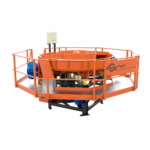
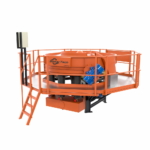
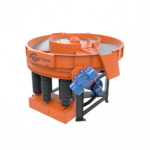
The SandFlo is simple to operate and has a low capital cost. More than one unit might be needed to process the scrap output of a conventional fragmentiser. To process to a dedicated size, a trommel screen is often included with each unit.
The SandFlo system is a dry process. It doesn’t create any by-products for disposal, e.g. contaminated liquid effluent and the sand can be constantly cleaned.
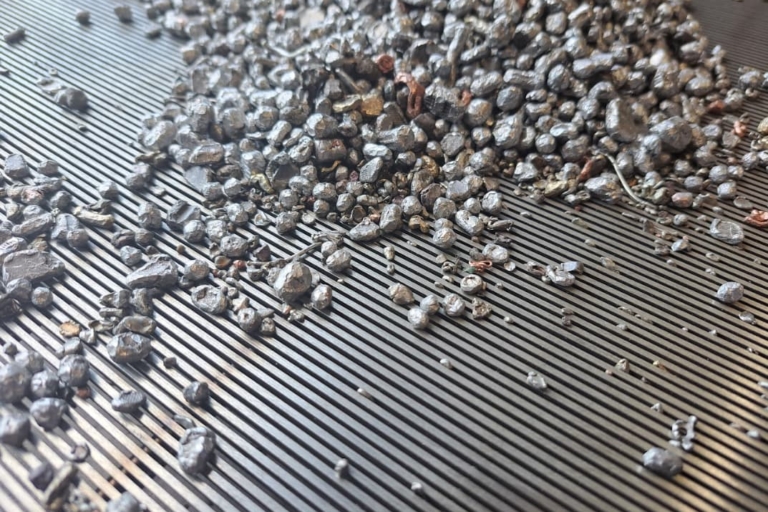
The SandFlo Process
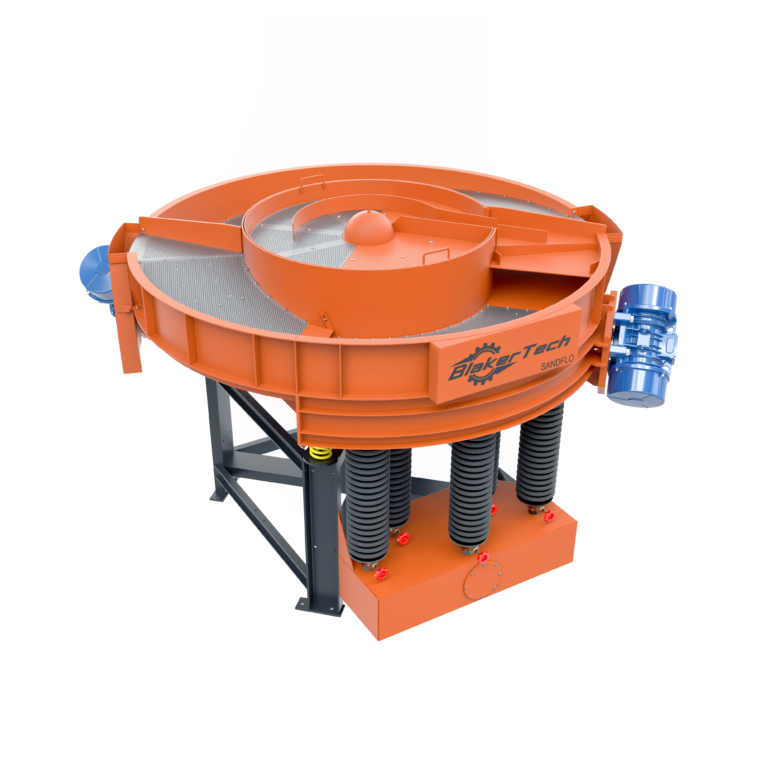
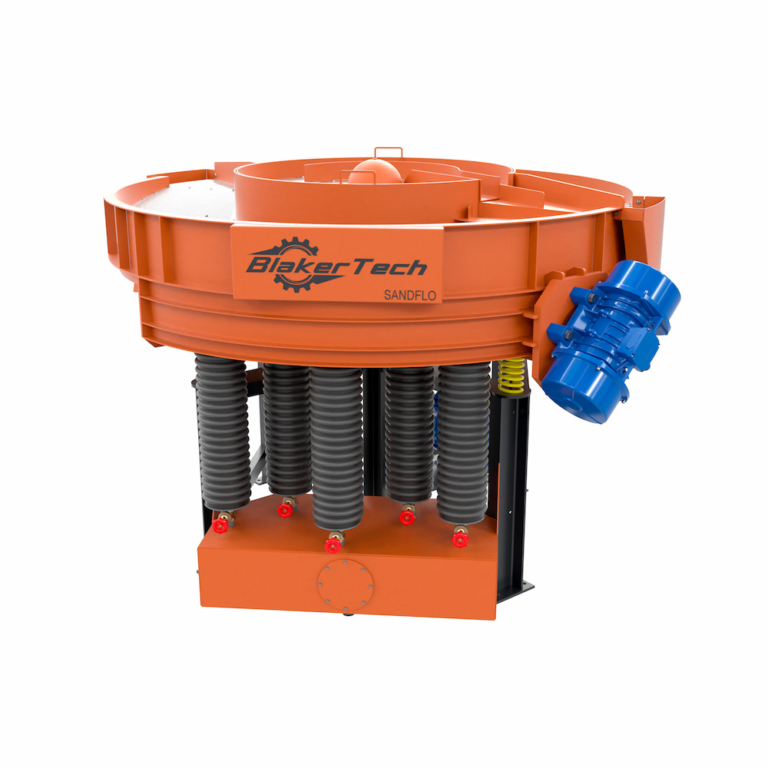
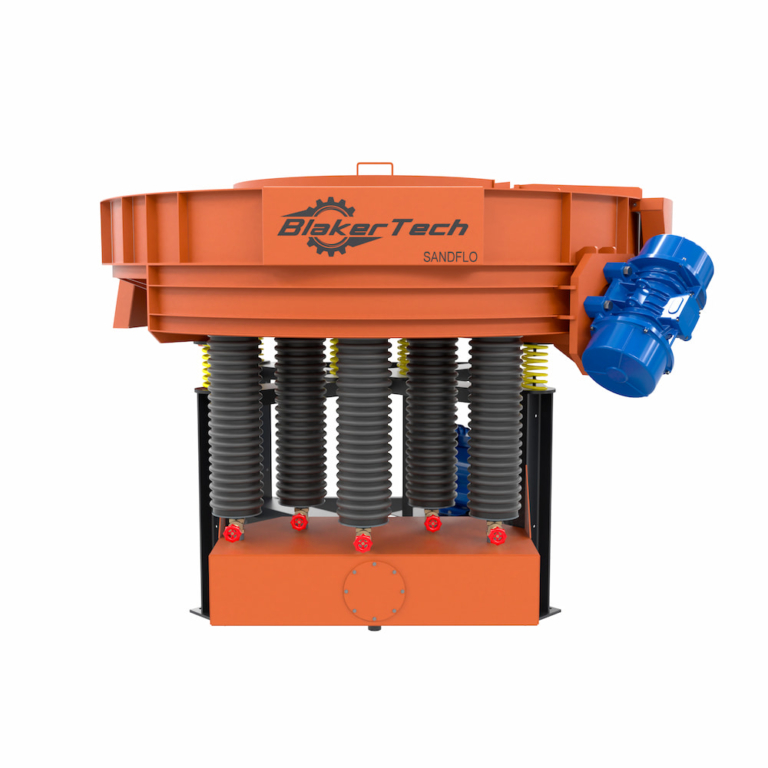
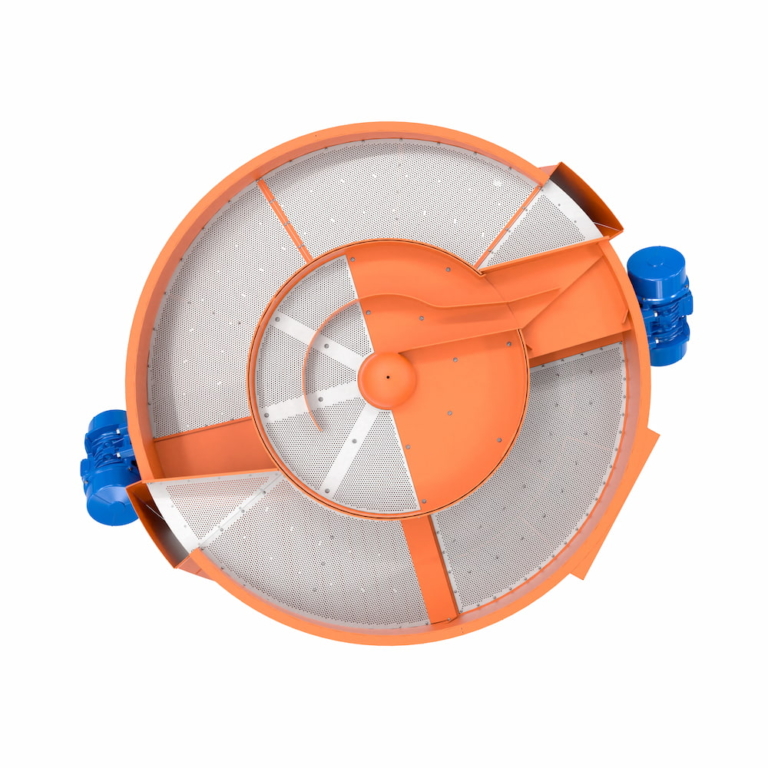
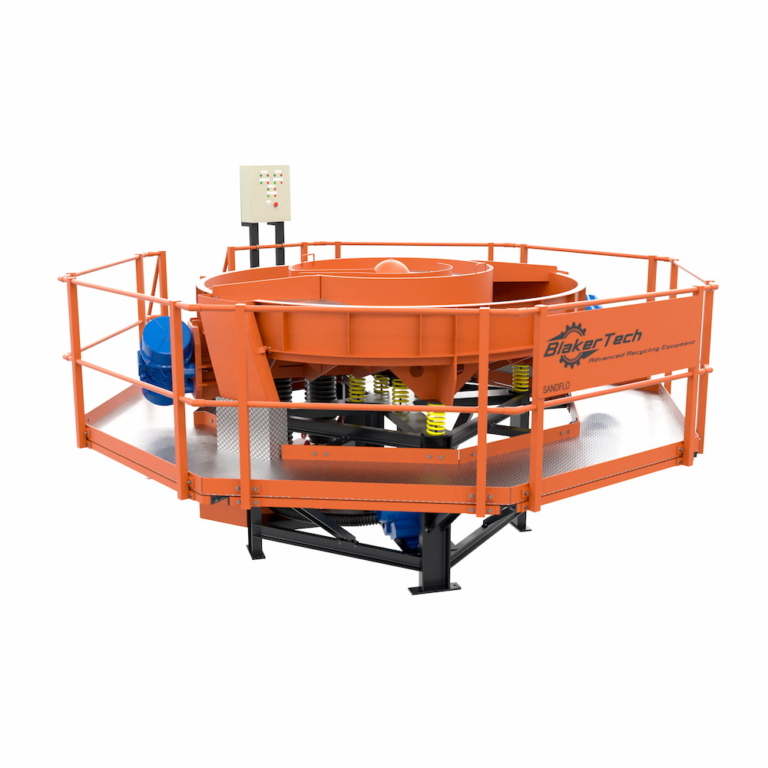
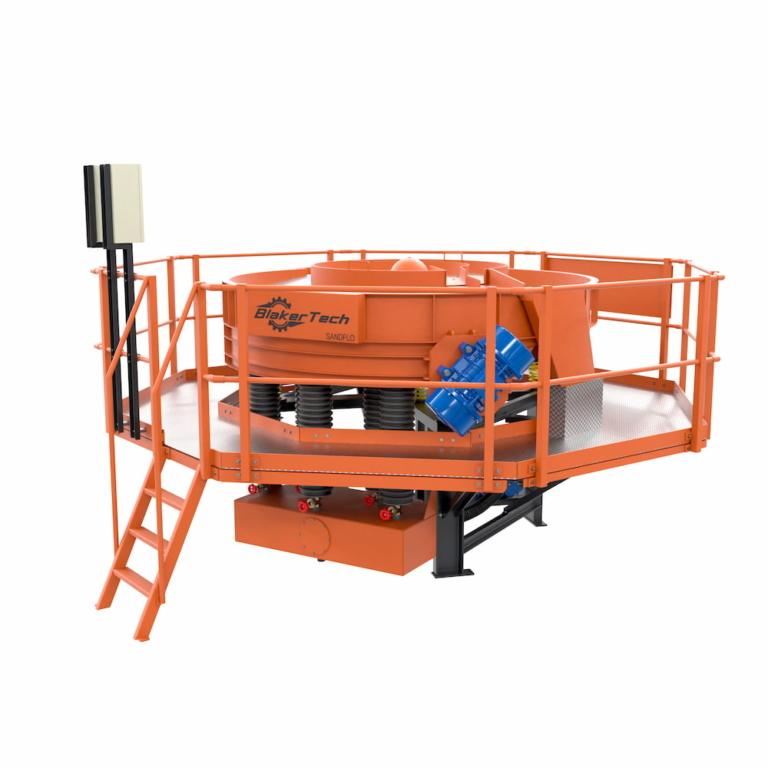
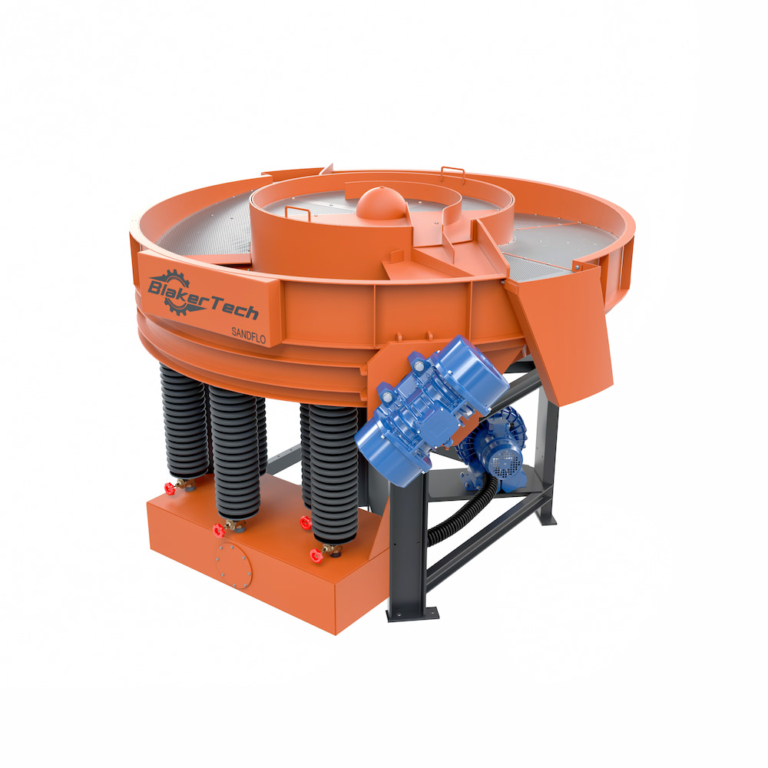
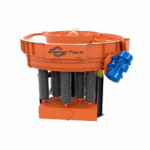
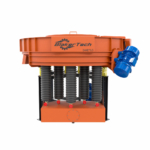
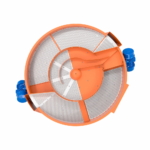
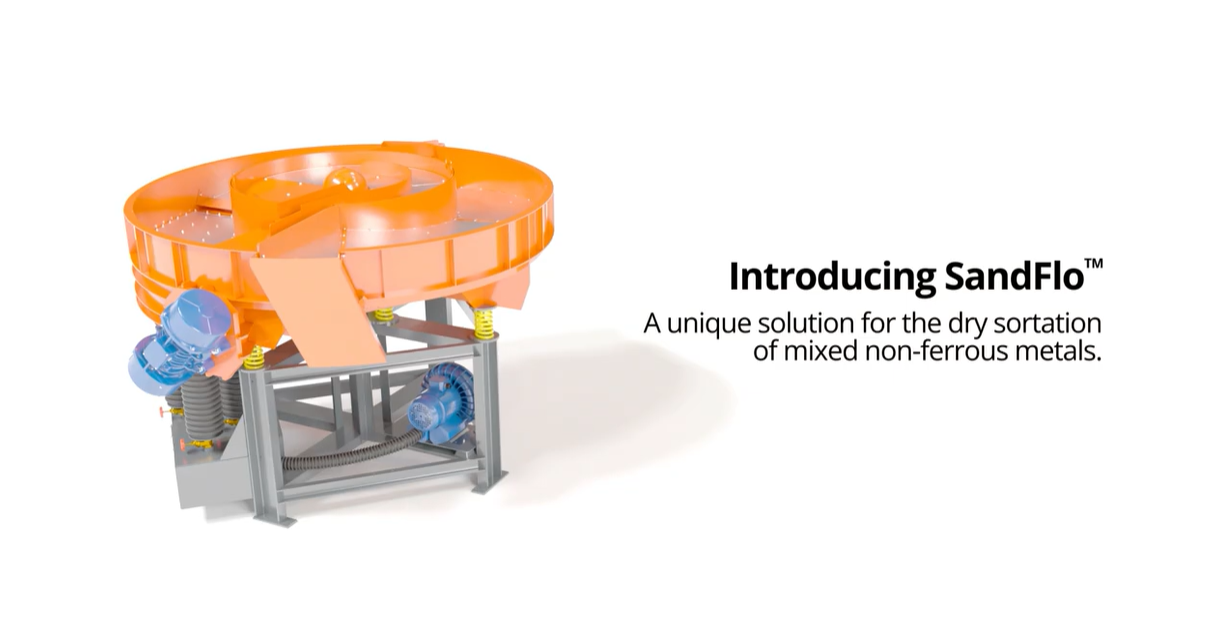
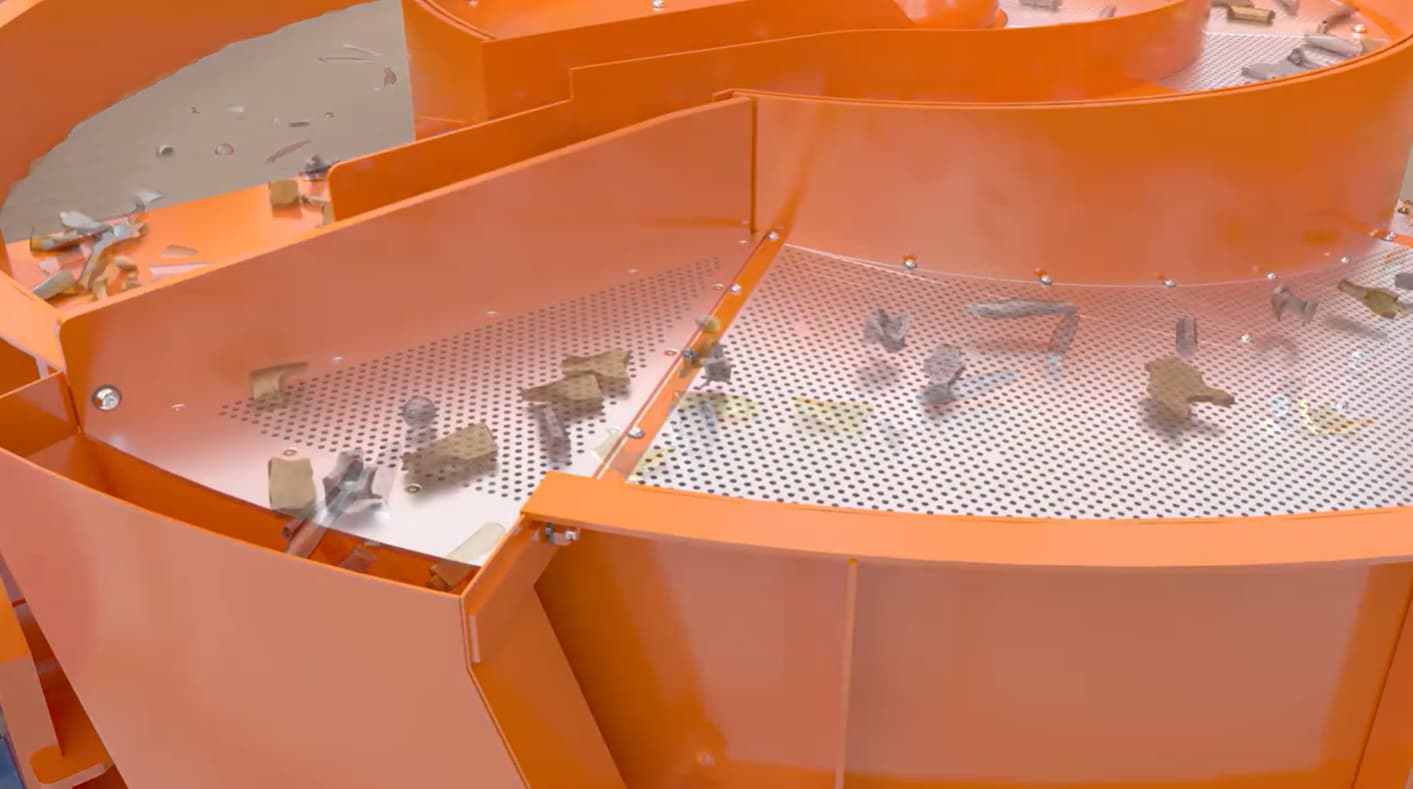
The system is based on an annular trough around which sand and metal are continuously circulated by vibrating the trough. Air is fed into a section of the trough base, creating a buoyant fluidised bed of sand into which scrap particles sink according to their density.
After magnetic separation of any residual ferrous material, mixed crushed scrap from a fragmentiser is screened to improve its uniformity. Non-metallics are removed using the MagThro eddy current separator and the mixed non-ferrous metals are then fed into the annular trough up-stream of the fluidised bed.
As the scrap is carried across the fluidised region by the continuously circulating sand, the less dense materials (aluminium and magnesium) remain near the surface and are conveyed out of the sand by an inclined perforated flight, fixed across the width of the trough.
The heavier metals (zinc, brass, copper and any residual stainless steel) sink deeper as they travel through the fluidised zone and are conveyed out of the trough by a second lower perforated flight, downstream of the fluidised zone.
The sand particles pass through the perforated flights and end up back at the feed point, re-circulating continuously around the annular trough.
Read Our Google Reviews




Read Our Case Studies
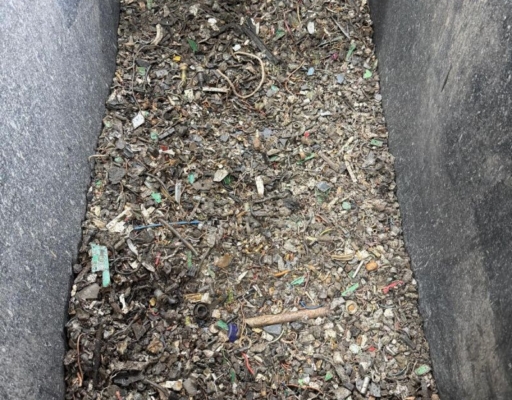
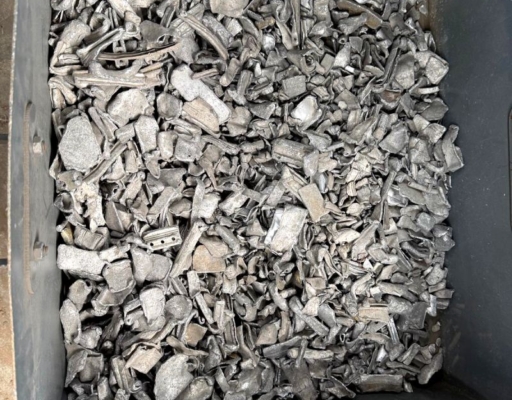

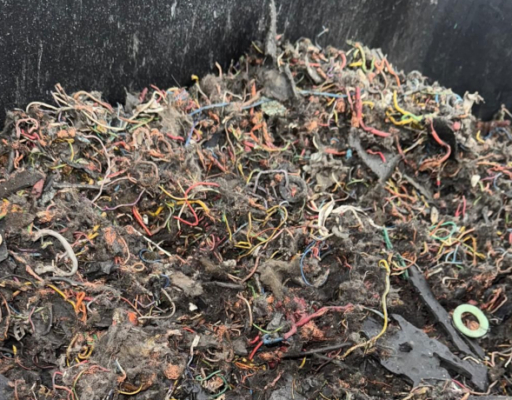
Your Questions, Answered
Can’t find what you’re looking for? Get in touch with us today.
-
How does SandFlo’s fluidised bed technology work?
-
SandFlo is a fluidised bed separator that uses a carefully controlled flow of air through a vibrating bed of fine media, often sand, to separate materials by particle density and characteristics.
In this fluid-like environment, lighter non-ferrous metals such as aluminium float, while denser materials like copper, brass, stainless steel, and zinc sink and are directed to a separate outlet. This makes SandFlo ideal for handling nonferrous metal separation tasks where magnetic separation alone is not effective.
The system offers a clean, dry alternative to water-based separation, with no contaminated water to manage or dispose of. We are also actively developing heavy duty sand separation systems to meet the growing demand for higher-volume, industrial-scale applications.
-
What are the advantages of using a fluidised bed for metal separation?
-
Fluidised bed separators like SandFlo offer several key advantages for non-ferrous metal separation and metal recovery:
- No water waste: Unlike water table systems, SandFlo uses air, removing the need to treat or dispose of contaminated water
- Lower investment cost: Significantly more affordable than colour sorters or X-ray-based systems
- Low running costs: With few moving parts, it offers easy maintenance and low operating overheads
- Straightforward to use: There are no complicated user manuals to digest — SandFlo is designed for simple, intuitive operation
- Reliable and scalable: Ideal for both standalone and integrated systems, especially where dry separation is essential
This dry separation process is particularly beneficial in environments where water usage is restricted or sustainability is a key consideration.
-
Can SandFlo remove plastics or coatings from metal particles?
-
No, SandFlo is not designed to remove bonded materials such as plastics. It separates materials based on density, not material composition.
-
What materials are best suited for metal separation with SandFlo?
-
SandFlo separates non-ferrous metals that have been screened for consistent particle size. Ideal materials include aluminium, copper, zinc, tin, and brass, particularly where density differences allow for clean separation.
For best performance, input material should be dry, relatively clean, and fall within a defined size range to ensure optimal metal recovery.
-
How is SandFlo different from magnetic or eddy current separators?
-
While magnetic separators and eddy current separators rely on electromagnetic properties to extract ferrous and non-ferrous metals, SandFlo takes a different approach.
As a fluidised bed separator, SandFlo operates purely on density and fluid dynamics, using air to suspend and separate materials based on weight rather than magnetic response.
-
Why is SandFlo called a ‘sand separation system’ if it doesn’t only use sand?
-
While SandFlo is often described as a sand separation system, it doesn’t rely exclusively on sand. The term refers to the fluidised bed separator process, which uses fine media that, when aerated, creates a fluid-like environment for density-based separation.
This aerated medium allows lighter non-ferrous metals to float while denser materials sink, enabling clean, dry separation without the need for water. Depending on the application, the system can operate with a variety of media to suit specific metal recovery requirements.
Need More Information?
If you can’t find what you are looking for, then please give me a call on 01403 783634 for a fast, friendly and helpful service.
James Ryan | National Sales Manager

Related Products
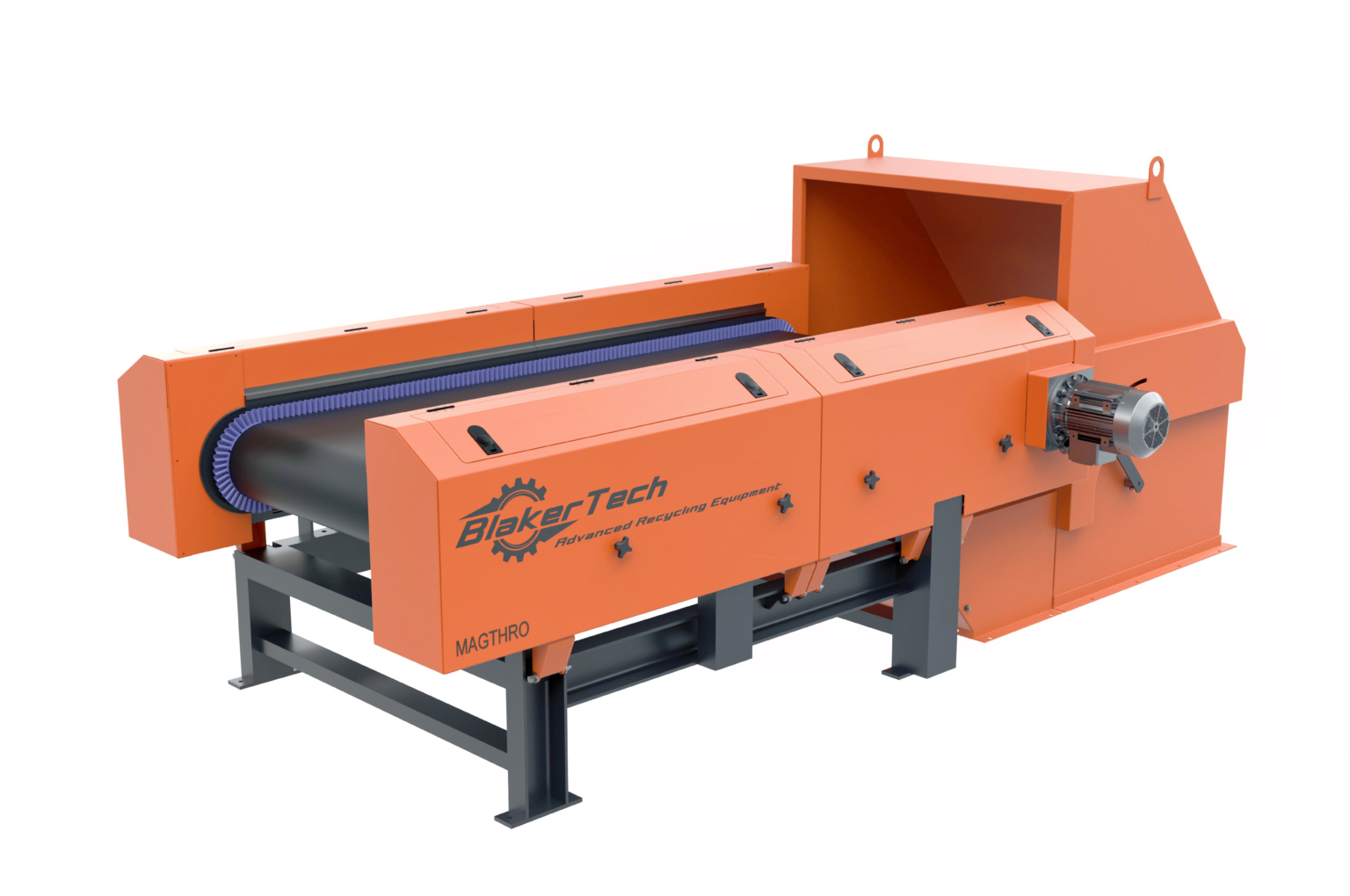
MagThro

Hoppers

Shaker Feeder

Conveyors
