Waste Recycling
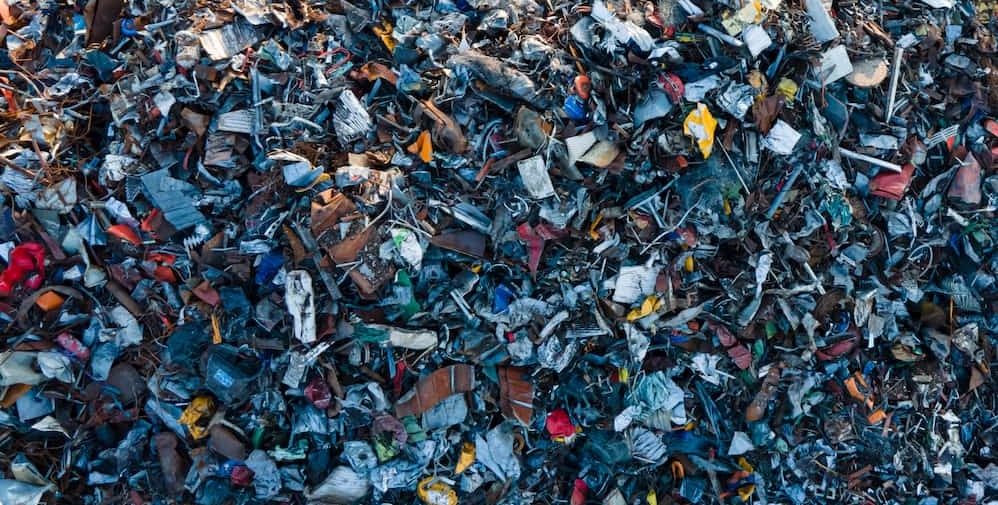
Modern waste recycling facilities demand efficient, high-quality metal separation and customised processing equipment that maximise resource recovery, minimise landfill, and extract value from complex, contaminated waste streams.
Metal Separation For Mixed Waste Recycling Streams
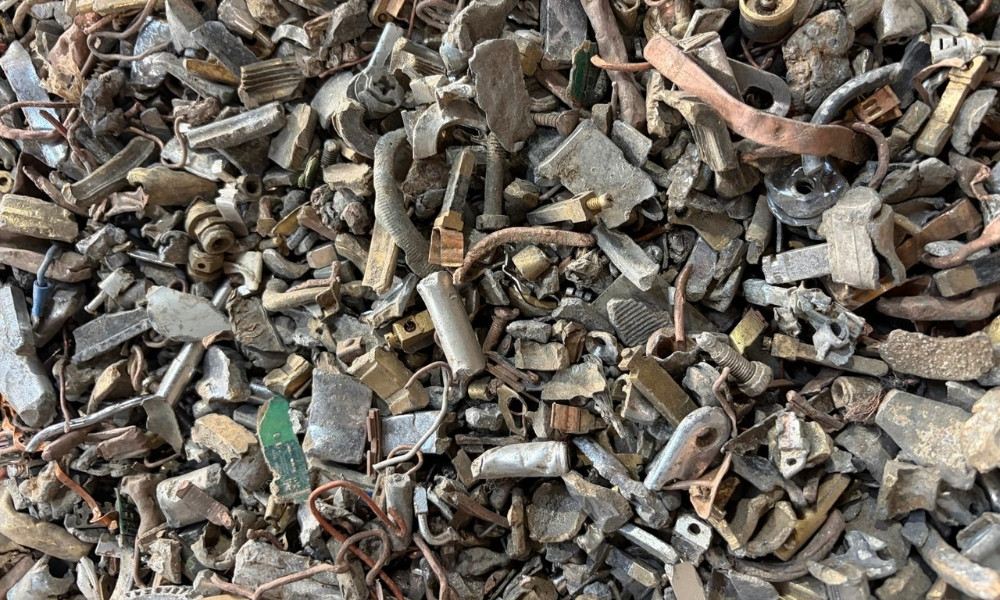
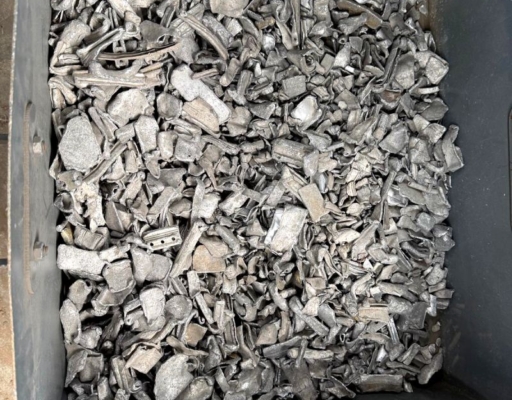
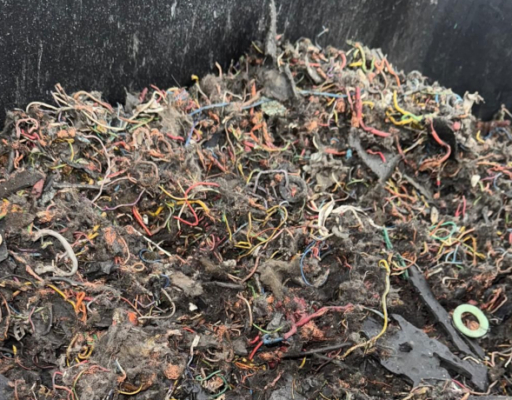
BlakerTech’s dry metal separation systems recover both ferrous and non-ferrous metals from a wide range of waste recycling streams, including household waste, building debris, plastics, wood waste, packaging, and commercial or municipal waste.
Our eddy current separators, density separation systems and bespoke processing lines are designed to be environmentally sustainable, cost-effective and highly reliable, even when handling diverse and challenging materials.
For wood waste and wood processing applications, metal separation can help address metal contamination in wood waste, including nails, screws, staples, brackets, wire and other fixings from mixed or contaminated material streams. This can help reduce the risk of damage to downstream equipment, improve material quality and support cleaner recovery for recycling or biomass applications.
Depending on the material type, feed rate and contamination level, BlakerTech systems can be configured around the required recovery outcome, including ferrous and non-ferrous metal recovery from complex waste streams.
Waste Recycling Applications
-
Household Waste
-
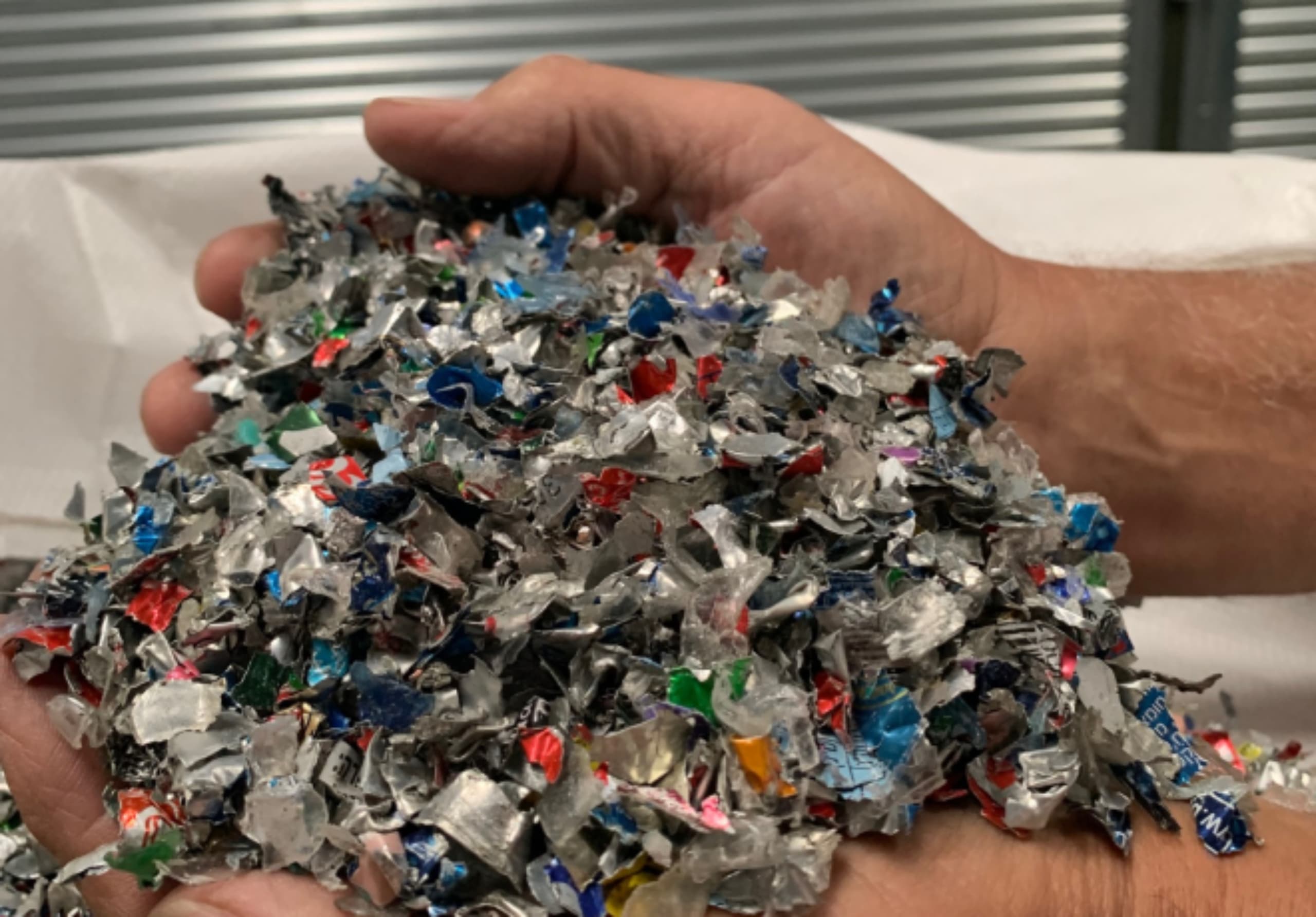
Municipal solid waste contains significant quantities of valuable metals, including aluminium, copper, brass, steel, and electronic components. These materials often arrive mixed with organics, plastics, paper, and other non-metallic items, making effective separation challenging.
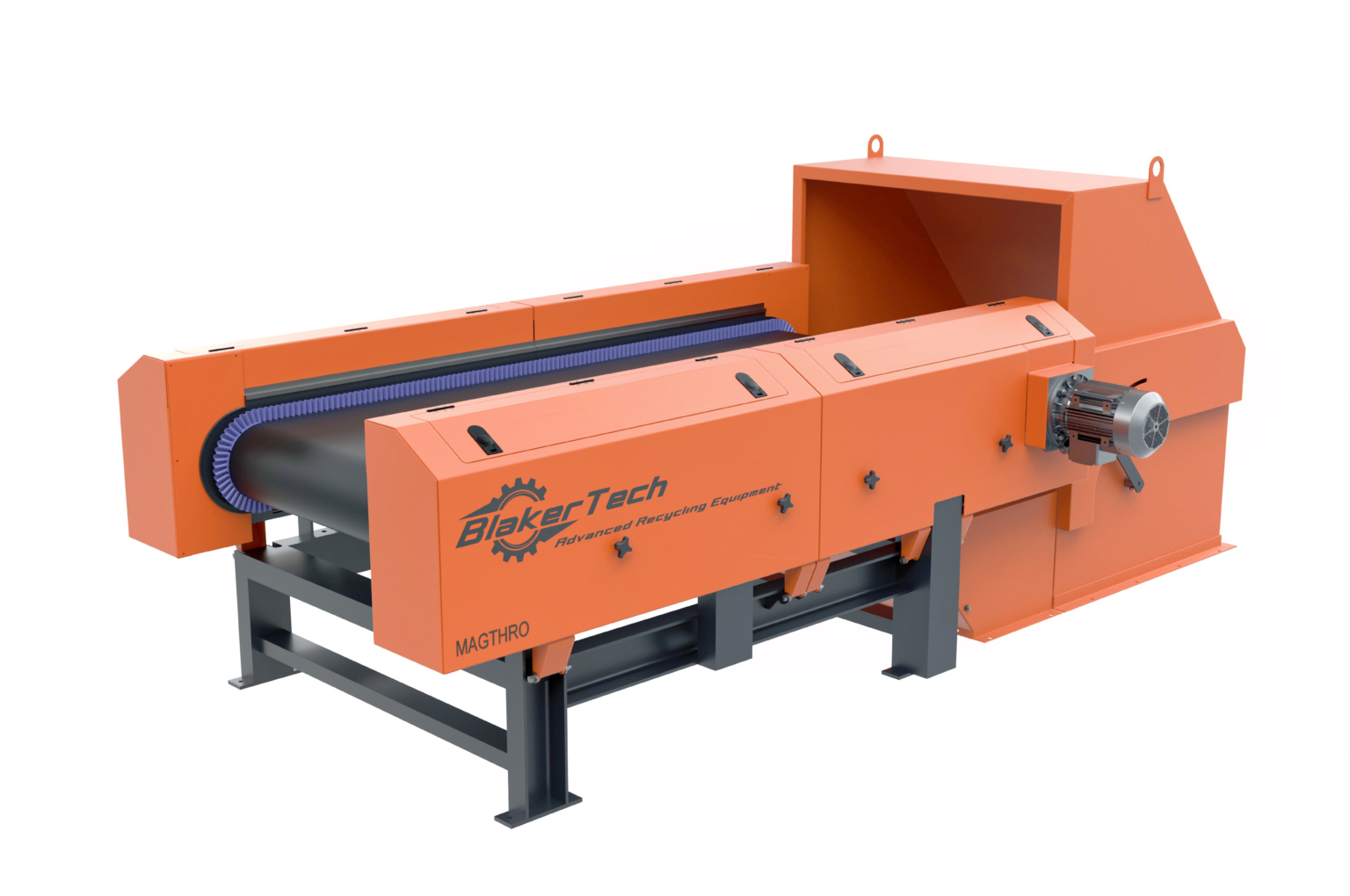
BlakerTech’s MagThro Eddy Current Separator efficiently recovers non-ferrous metals from mixed household waste streams. High-strength neodymium magnets ensure consistent performance even under heavy contamination, helping recycling facilities maximise metal recovery, improve operational efficiency, and enhance environmental performance.
-
Construction and Demolition Waste
-
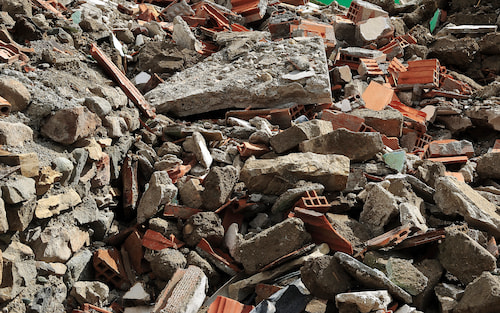
Construction and demolition waste contains valuable metals such as copper piping, aluminium window frames, steel rebar, and brass fixtures. These materials are often heavily contaminated with concrete, timber, plastics, insulation, and other debris, making recovery challenging.
Our MagThro Eddy Current Separator efficiently processes shredded construction waste, separating non-ferrous metals from mixed building materials. Its robust design withstands the harsh, abrasive conditions of recycling plants, ensuring consistent, high-volume performance.
This system enables recycling facilities to maximise metal recovery, reduce waste, and maintain operational reliability.
-
Plastics
-
Metal contamination can create significant challenges in plastics recycling, causing production delays and equipment damage. Even small metal fragments can compromise batches of recycled plastic, making effective metal separation essential.
BlakerTech’s high-performance magnetic separation systems protect plastics recycling operations by removing contaminants such as aluminium foil, steel caps, and copper wire fragments before materials reach processing equipment.
The MagThro Eddy Current Separator further recovers non-ferrous metals from shredded plastic streams, helping PET bottles, mixed plastics, and film recycling facilities maintain clean, consistent material streams while reducing downtime and maintenance costs.
-
Wood Waste
-
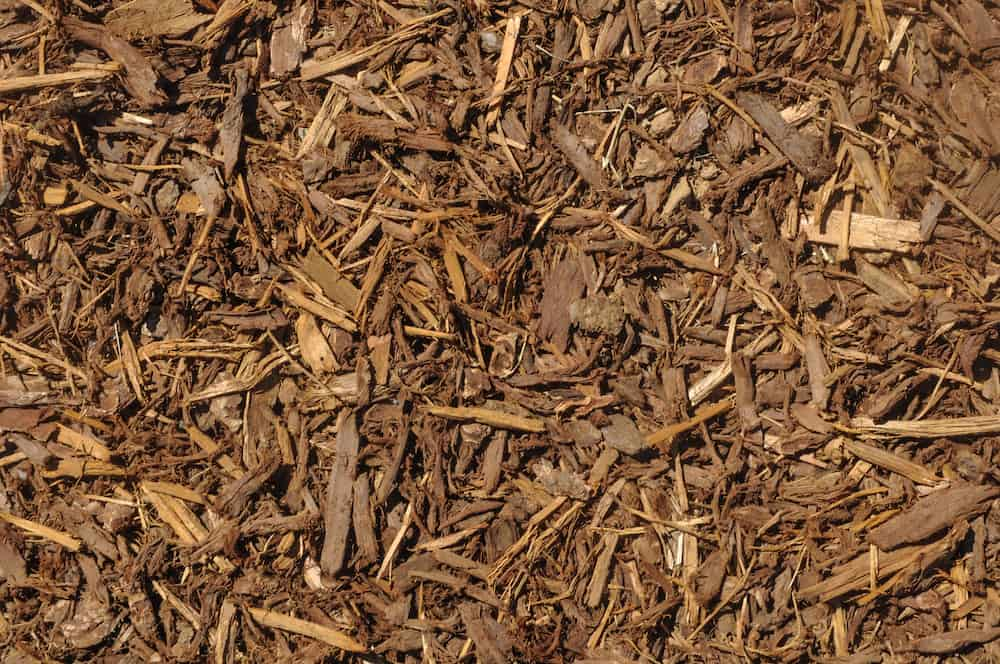
Wood waste recycling is often complicated by metal contamination from nails, screws, hinges, and other fixtures. These embedded metals can damage chippers, shredders, and processing equipment, create safety hazards, and increase downtime.
BlakerTech’s magnetic and eddy current separation systems remove both ferrous and non-ferrous metals, including aluminium and brass, protecting equipment and extending its service life. This ensures the production of cleaner wood chips suitable for biomass energy, animal bedding, and composite board manufacturing, while improving operational efficiency and safety.
-
Compost
-
Composting operations are vulnerable to metal contamination, which can compromise product quality and damage processing equipment. Even small fragments of wire, stakes, or other metals can make compost unsuitable for commercial horticulture, landscaping, or other applications, making effective metal separation essential.
BlakerTech’s magnetic separators remove ferrous metals, while eddy current systems recover aluminium and other non-ferrous contaminants. This ensures clean, high-quality compost, protects downstream screening and bagging equipment, reduces maintenance costs and production interruptions, and helps facilities maintain consistent, high-standard output.
-
Waste Paper
-
Paper recycling facilities often face metal contamination from staples, paperclips, binder rings, and packaging materials. These metals can damage pulping equipment, increase maintenance costs, and compromise the quality of recycled paper, reducing operational efficiency and profitability.
BlakerTech’s magnetic and eddy current separation systems effectively remove both ferrous and non-ferrous metals before pulping, protecting machinery and minimising downtime. By extracting contaminants such as aluminium, steel, and other metal fragments, our systems improve the purity and consistency of recovered fibre, enabling facilities to produce higher-quality paper products while maintaining smooth, efficient processing.
-
Refuse-Derived Fuels (RDF)
-
RDF production requires thorough metal removal to protect combustion equipment, meet fuel quality specifications, and ensure consistent energy output. Metal contamination can damage boilers, reduce combustion efficiency, and accumulate in ash residues, impacting performance and operational costs.
BlakerTech’s magnetic and eddy current separation systems effectively remove ferrous and non-ferrous metals from processed waste streams before fuel palletisation or direct combustion, safeguarding equipment, improving fuel consistency, and maximising the value recovered from waste materials.
Our Waste Recycling Solutions

SandFlo
MagThro

Shaker Feeder
Read Our Google Reviews




Read Our Case Studies

Your Questions, Answered
Can’t find what you’re looking for? Get in touch with us today.
-
How do your systems handle variable waste compositions?
-
BlakerTech’s separation systems are engineered to maintain high-performance metal recovery across fluctuating and heterogeneous waste streams without constant operator adjustment.
Our precision vibratory feeders ensure consistent material flow and even distribution, compensating for variations in density, moisture, or particle size. Meanwhile, the MagThro Eddy Current Separator delivers stable separation of non-ferrous metals, even under heavy contamination or mixed material conditions.
Combined with our flexible system design, this allows recycling facilities to reliably process daily or seasonal variations in waste composition while maximising recovery and operational efficiency.
-
Can your technology process wet or damp waste materials?
-
BlakerTech’s dry separation systems are designed to operate most efficiently with materials at ambient moisture levels. While slightly damp waste can be processed effectively, very wet materials may require drainage or partial drying prior to separation.
Unlike wet separation methods, our separation systems do not require added water and produce no contaminated process water, eliminating the need for effluent treatment while maintaining high metal recovery and operational efficiency.
-
What size waste processing facilities benefit from your separation equipment?
-
BlakerTech’s bespoke separation and processing solutions are suitable for a wide range of facilities, from small specialist or local processors to large municipal recycling operations.
Each system is custom designed to match your facility’s throughput requirements, available space, and operational constraints, ensuring optimal capacity, performance, and metal recovery regardless of facility size.
-
What maintenance do your waste processing systems require?
-
BlakerTech designs low-maintenance, robust equipment engineered for continuous operation. Routine upkeep typically includes periodic bearing lubrication, belt inspections, and cleaning of key surfaces.
We provide comprehensive maintenance schedules and can offer service contracts to ensure your systems maintain optimal performance while minimising unplanned downtime.
-
How do your systems handle metal contamination in wood waste streams?
-
BlakerTech’s waste recycling systems can be configured to recover ferrous and non-ferrous metals from wood waste, biomass and other mixed waste streams. This can include removing contaminants such as nails, screws, staples, brackets, wire and other metal fragments that may affect downstream processing or material quality.
Depending on the application, systems can include eddy current separation, density separation, vibratory feeding and bespoke processing equipment.
Need More Information?
If you can’t find what you are looking for, then please give me a call on 01403 783634 for a fast, friendly and helpful service.
James Ryan | National Sales Manager