Unlocking Hidden Value: Metal Recovery Opportunities in Wash Plant Output
Looking Beyond the Aggregates
Wash plants play an important role in processing construction and demolition (C&D) waste, removing unwanted materials and producing clean, reusable aggregates for the construction industry.
However, the value of the material passing through a wash plant does not necessarily end with aggregate production.
Following the washing process, valuable ferrous and non-ferrous metals can remain within the output streams. Without the appropriate separation equipment, these materials can be lost within residual waste or aggregate products, representing a missed recovery opportunity and potentially significant lost revenue for operators.
As the recycling industry continues to place greater emphasis on resource recovery, operational efficiency and maximising material value, identifying these overlooked metals is becoming increasingly important.
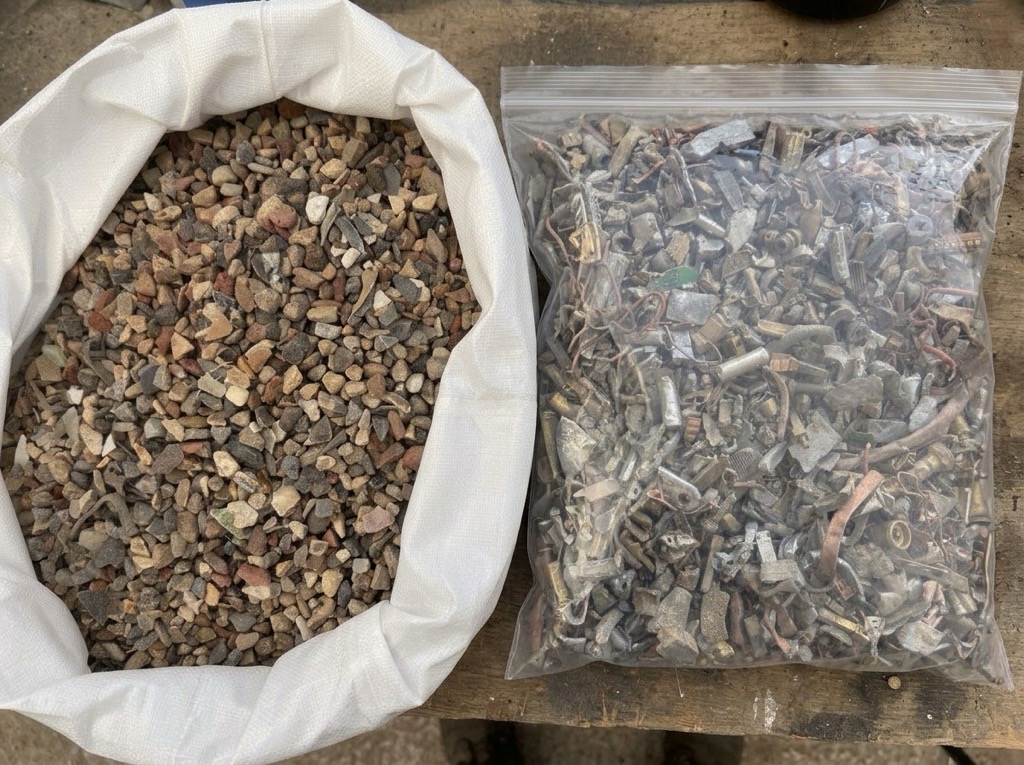
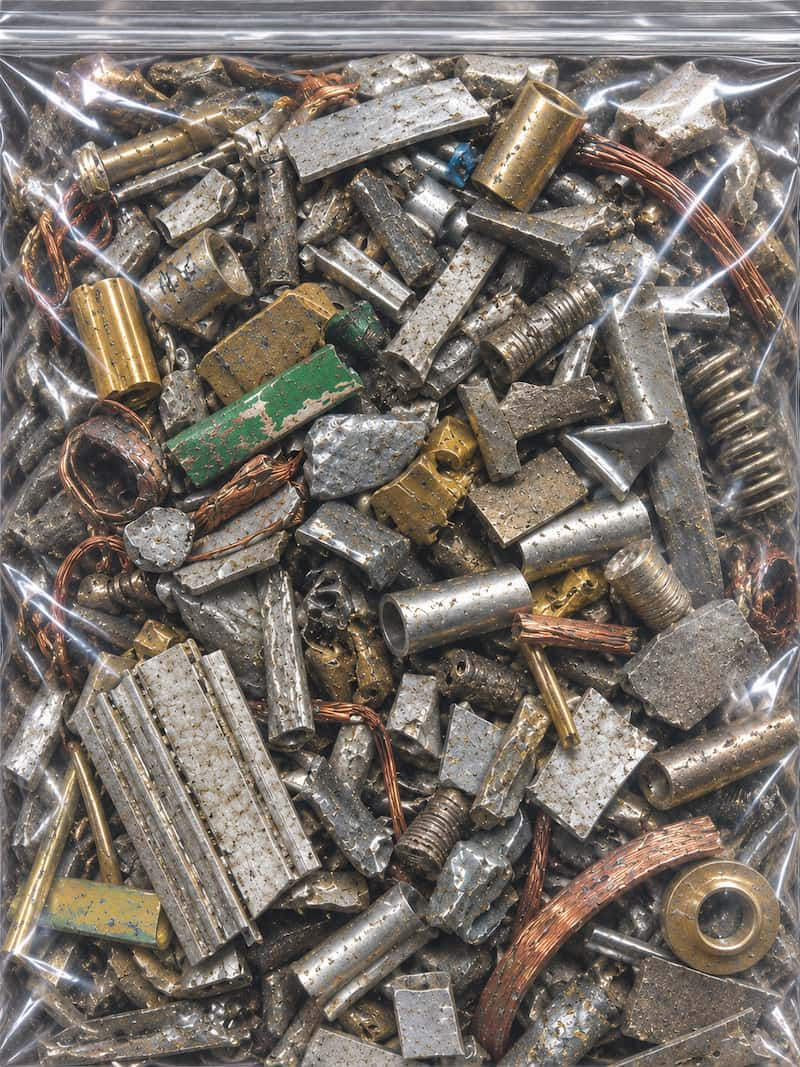
A recent material trial undertaken by BlakerTech with a UK wash plant operator demonstrated exactly this opportunity, successfully recovering a substantial quantity of non-ferrous metals from processed wash plant material.
What Did the Trial Show?
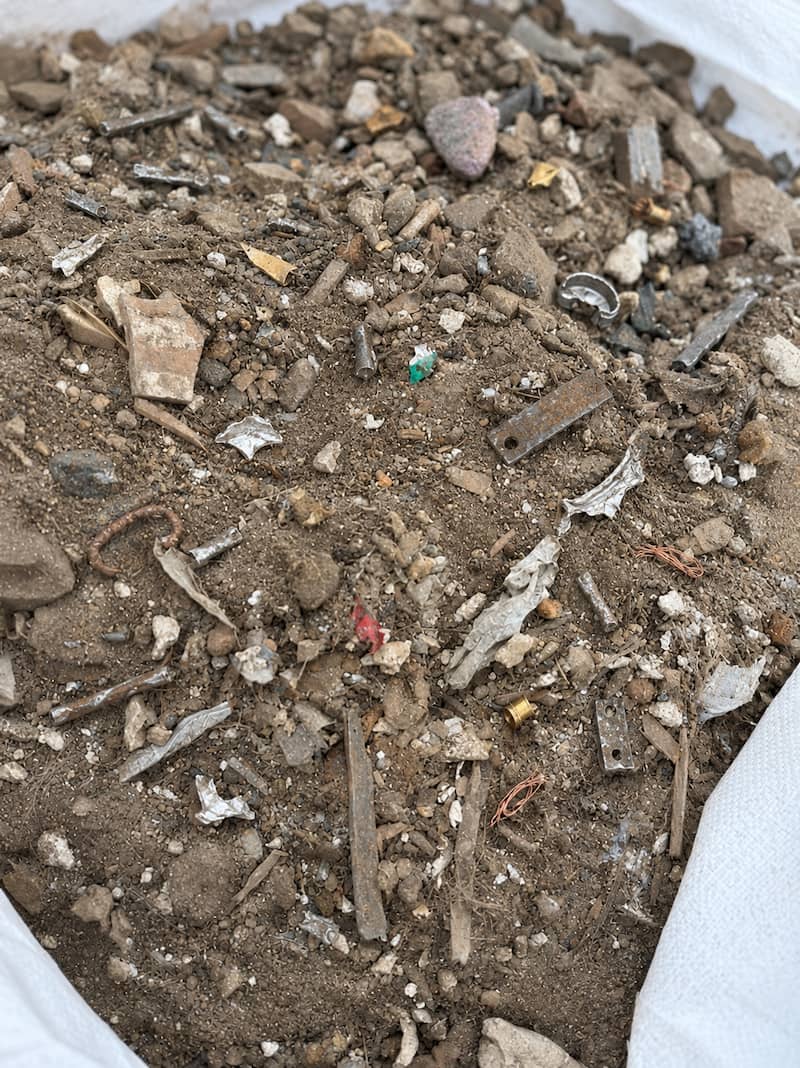
The trial focused on assessing the composition of a sample taken from an existing wash plant output stream, with particular attention given to the presence and recoverability of ferrous and non-ferrous metals.
The results were encouraging, with testing successfully identifying and recovering a significant amount of non-ferrous material that would otherwise have remained within the processed output and going to landfill.
This demonstrated that valuable resources can remain in material even after it has passed through the primary washing and separation stages.
For operators, the implications are clear. Material that may traditionally be considered a finished aggregate product or residual waste stream could contain recoverable metals with additional commercial value.
While the results of an individual trial cannot be directly applied to every wash plant, they highlight the importance of understanding the composition of output materials before potentially valuable resources are lost.
The Commercial Opportunity: Recovering Value That Would Otherwise Be Lost
For wash plant operators, metal recovery offers an opportunity to generate additional revenue from material that is already being processed.
Non-ferrous metals such as aluminium, copper, brass and other valuable fractions can command significantly higher values than conventional recycled aggregates. If these materials remain within the output stream, operators could be losing an additional source of income without necessarily realising it.
The commercial opportunity extends beyond the value of the recovered metals themselves. Improved material recovery can also help operators:
- Create additional revenue streams by recovering non-ferrous metals that would otherwise leave the site with aggregate or residual material.
- Improve overall resource recovery by extracting more value from existing waste streams.
- Reduce material losses by identifying valuable fractions that conventional washing processes may not capture.
- Improve operational efficiency by making better use of the material already passing through the plant.
- Strengthen the commercial return from existing waste processing operations.
The viability of introducing additional separation equipment will, of course, depend on the quantity and quality of recoverable metals, achievable recovery rates, processing throughput and associated operating costs.
Understanding these factors is essential to establishing a realistic return on investment and determining whether further metal recovery is commercially worthwhile.
Understanding the Material Is the First Step
No two wash plants process exactly the same material. Feedstock composition, particle size, washing methods, contamination levels and existing separation equipment will all influence the type and quantity of metals remaining in the output.
This is why material testing is such an important part of the process.
At BlakerTech, we believe the right separation solution should be determined by the material itself, rather than selecting equipment without first understanding the application.
Through material testing, operators can establish what metals remain in their output streams, assess their recovery potential and identify the most appropriate separation technology for their requirements.
Depending on the material characteristics, this may involve magnetic separation for ferrous metals and eddy current separation for non-ferrous recovery, alongside other processing technologies where appropriate.
By understanding the material before investing in additional equipment, operators can make more informed decisions based on both technical performance and commercial return.
Turning Missed Recovery Into Commercial Opportunity
The recent trial reinforced an important point: producing quality aggregates does not necessarily mean that all the available value has been recovered.
Significant quantities of non-ferrous metals can remain within wash plant output streams, potentially representing revenue that operators are currently overlooking.
For businesses looking to improve resource recovery and maximise the commercial performance of their operations, investigating these material streams could reveal opportunities that would otherwise go unnoticed.
At BlakerTech, we work with operators to understand their materials, identify recovery opportunities and develop separation solutions that deliver measurable value.
Explore our metal recycling and recovery solutions or get in touch to discuss a material trial.
Date Published: 2 November, 2026